
Coping with Loss After Forty: A Guide to Navigating Grief in Midlife
Loss after forty carries a unique weight. By this stage of life, we’ve accumulated decades of relationships, memories, and attachments that make grief both more complex and more profound. Whether you’re facing the death of a loved one, the end of a marriage, career displacement, or the loss of your younger self’s dreams, grieving in midlife presents distinct challenges that deserve recognition and understanding.
The Particular Nature of Midlife Grief
To our younger selves, loss often feels shocking and scary. After forty, loss unfortunately becomes a more familiar companion, but this familiarity doesn’t make it easier, only different. You may find yourself grieving not just what you’ve lost, but also the accumulated weight of previous losses that this new grief has awakened.
Midlife grief often arrives alongside the sobering realization that time is finite. The losses we face after forty frequently involve people and things we expected to have “forever,” or at least much longer. A parent’s death, a long-term marriage ending, or the loss of a job you thought would carry you to retirement can shatter the illusion of permanence we often carry into our forties and beyond.
Common Types of Loss Later in Life
Death of Parents and Peers
The death of a parent represents one of the most profound transitions of midlife. Even when anticipated, losing a parent after forty means confronting your own mortality while simultaneously grieving the person who shaped your earliest understanding of the world. This loss often comes with complex emotions: relief if they suffered, guilt over unresolved conflicts and unsaid emotions, and the strange disorientation of becoming the “older generation” and facing your own mortality.
The death of friends and peers becomes more frequent as we progress through life, each loss serving as a stark reminder of your own vulnerability. These deaths often feel particularly cruel because they represent the loss of shared history, the future experiences you expected to share, and lost opportunities.
Relationship Endings
Divorce or the end of long-term partnerships after forty involves grieving not just the relationship itself, but the shared future you had planned. The practical challenges of starting over—financially, socially, and emotionally—can feel overwhelming when you thought you had “figured things out” and can sometimes lead to doubting not only past choices, but questioning the future and what values and goals remain important to achieve. The loss of these relationships can sometimes cause a tailspin of doubt, frustration, and sadness that can be hard to resolve.
Career and Identity Losses
Job loss, career changes, or the realization that professional dreams won’t materialize can trigger profound grief. After forty, career setbacks often feel less like temporary obstacles and more like permanent redirections, challenging your sense of identity and purpose and forcing you to look outside the box and in different directions to refocus your time and efforts. While the loss of security can seem crippling, many opportunities exist beyond traditional brick-and-morter jobs that can potentially lead to more flexible and lucrative options.
Health and Physical Changes
The loss of physical capabilities, whether through injury, chronic illness, or natural aging, represents a form of grief that’s often minimized but deeply felt. Mourning the body you once had or the activities you can no longer enjoy is a legitimate form of loss that deserves acknowledgment. It’s so easy to just “carry on” and pretend everything is fine, but physical limitations have a way of sneaking into your life when you least expect them and forcing us to recognize that we aren’t as strong and infallible as we thought. Sometimes this requires life changes that might seem unsurmountable in the moment and often guilt enters the picture when you’re forced to rely on someone when you’ve previously been very independent. Just know that all of these things are a normal part of aging and as challenging as they can seem, options are available to cope with these problems and issues.
Dreams Deferred or Abandoned
Perhaps one of the most painful losses after forty is the quiet grief for dreams that won’t come true: the book you’ll never write, the children you never had, the places you’ll never see… These losses lack the social recognition that death receives, yet they can be equally devastating. Unmet goals and dreams can be difficult to release and can lead to an internal sense of disappointment and a perceived lack of fulfillment. It can be hard to shift to a positive mindset that sometimes, things happen exactly the way they’re supposed to, even if it isn’t what you’d planned.
The Unique Challenges of Midlife Grief
Accumulated Emotional Load
By forty, most people have experienced multiple losses, and new grief can trigger what psychologists call “grief overload.” You may find yourself not just mourning your current loss, but revisiting old griefs that have never been fully resolved. This can make the grieving process feel overwhelming and endless. Coping with these griefs as they occur can be an important step to healing and progression and can pave the way for a brighter future, not forgetting the grief, but moving forward with understanding and positivity while maintaining the integrity of the losses suffered.
Societal Expectations
Society often expects people over forty to be “mature” about loss, to “handle it better” because of their life experience. This expectation can be isolating when you’re struggling with grief that feels as raw and destabilizing as any you’ve experienced. People can sometimes be insensitive and say hurtful things, purposeful or not. It’s important to remain focused inward and to understand that some just don’t know what to say or how to act while others are grieving, but also feel empowered to step away until you’re healed to avoid additional hurt and trauma.
Caretaking Responsibilities
Many people in their forties and beyond are simultaneously caring for aging parents and supporting their own children. This “sandwich generation” reality can make it difficult to fully process grief, as the needs of others often take precedence over your own emotional processing. While it’s tempting to lose yourself in others’ wants and needs, this only delays coping with your own grief and loss. It’s important to prioritize your own healing and to accept support when given to see your way through to the other side.
Time Pressure
The awareness of your own mortality that often accompanies midlife can create pressure to “get through” grief quickly. You may feel like you don’t have time to grieve properly, which paradoxically can prolong the process. Taking time in the moment can often avoid delays down the road and can avoid setbacks and pitfalls that might otherwise occur.

Strategies for Coping with Loss
Honor the Complexity
Accept that grief after forty is rarely straightforward. You might feel relief alongside sadness, anger mixed with love, or hope intertwined with despair. These contradictory emotions aren’t signs of weakness or confusion. They’re evidence of the complex relationships and experiences that define midlife. Allow yourself time to navigate through these emotions and to sort out the jumble in your head. Remember that there is no right answer. There isn’t one way through grief and that’s okay. Give yourself grace while doing your best to resolve the conflict within yourself.
Create Meaningful Rituals
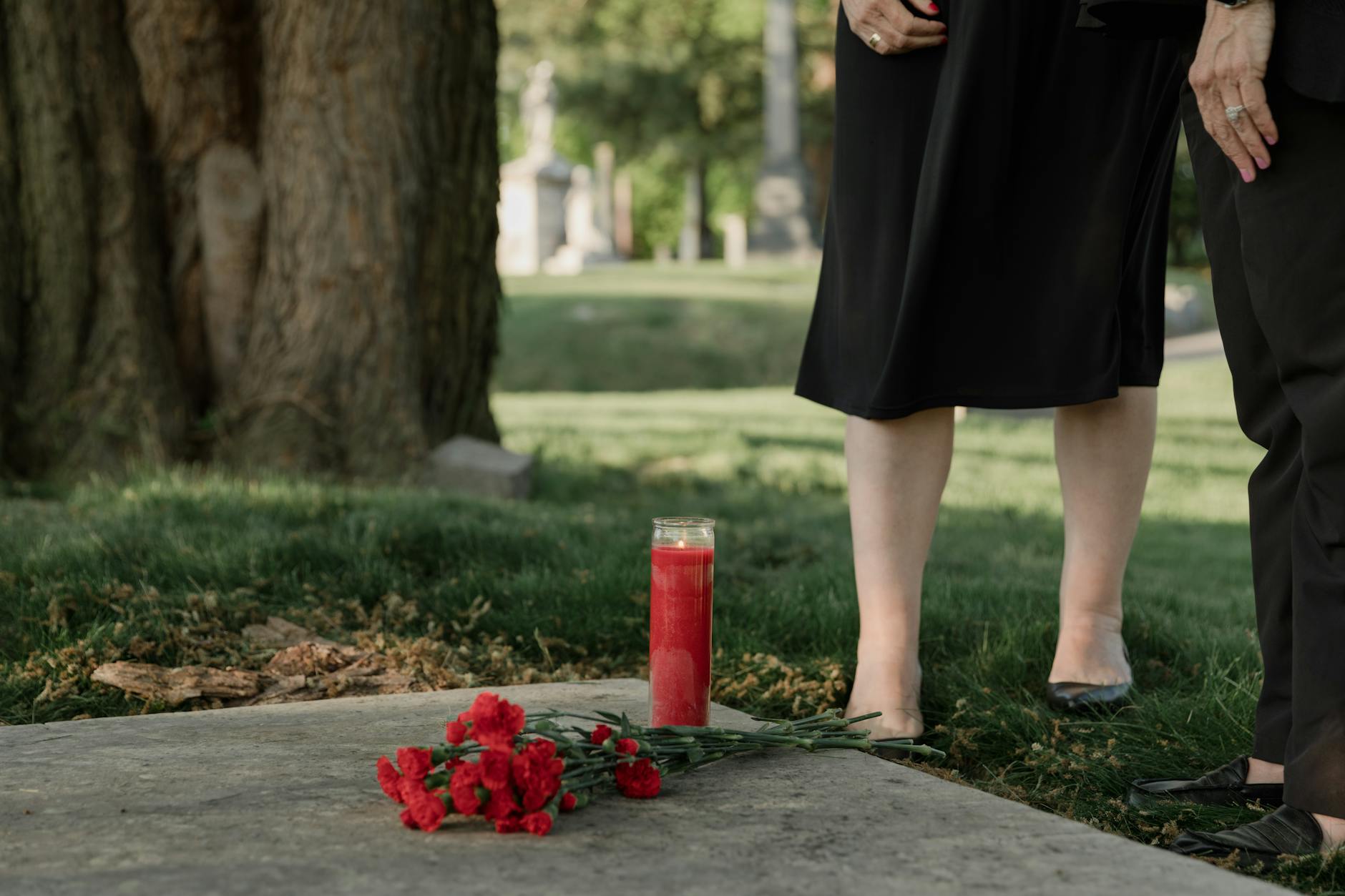
Rituals provide structure and meaning during chaotic times. Whether it’s lighting a candle each evening to remember someone, writing letters you’ll never send, exercising to promote mental health, or visiting places that hold special significance, rituals can help you process grief in manageable portions.
Redefine Your Relationship with Time
Midlife grief often involves reckoning with time: time lost, time remaining, and time needed to heal. Consider shifting from a linear view of grief (stages to complete) to a cyclical understanding (emotions that ebb and flow). Healing doesn’t mean forgetting or “getting over” loss; it means learning to carry it with greater ease.
Seek Support
Look for grief support that acknowledges the unique aspects of midlife loss. This might mean finding grief groups specifically for people over forty, working with a therapist who understands midlife transitions, or connecting with friends who are navigating similar losses. Wherever you’re able to find understanding, try to be open to the thoughts and advice of others while still maintaining your own truth and reality.
Practice Radical Self-Compassion
Treat yourself with the same kindness you would offer a dear friend facing similar circumstances. This means acknowledging that healing takes time, that setbacks are normal, and that you’re doing the best you can with the resources you have.
Engage in Legacy Work
Channel your grief into something meaningful. This might involve volunteering for a cause your loved one cared about, writing about your experiences, mentoring others, or simply living in a way that honors what you’ve learned from loss.
The Physical Dimension of Midlife Grief
Grief after forty often manifests physically in ways that younger grief might not. Your body may take longer to recover from the stress of loss. Sleep disturbances, changes in appetite, fatigue, and physical aches are common and should be addressed with the same seriousness as emotional symptoms.
Consider gentle physical practices that support both your grief and your body. Walking, meditation, restorative yoga, swimming, or simple stretching can help process difficult emotions while caring for your physical well-being. It can also lead to self-reflection while doing something positive for your physical health to continue a path forward through your grief.
Finding Meaning and Growth
While it may feel inappropriate to discuss growth in the context of loss, many people find that grief after forty, while deeply painful, can also lead to profound personal development. This isn’t about “silver linings” or minimizing pain, but about recognizing that loss can deepen our capacity for empathy, clarify our values, and help us appreciate what remains.
Midlife grief often involves a recalibration of priorities. You might find yourself less concerned with external achievements and more focused on relationships, moments, and experiences that bring genuine meaning. This shift, while born from pain, can lead to a more authentic and fulfilling way of living.
When Professional Help is Needed
Consider seeking professional support if:
- Your grief feels completely unmanageable after several months
- You’re having thoughts of self-harm
- You’re unable to function in basic daily activities for extended periods
- You’re using alcohol or substances to cope
- Your relationships are suffering significantly
- You feel completely disconnected from others or from life itself
Moving Forward with Your Loss
Healing from loss after forty doesn’t mean returning to who you were before; that person no longer exists. Instead, it means integrating your loss into a new version of yourself, one that can hold both sorrow and joy, endings and beginnings.
This integration is ongoing work. You might find that certain anniversaries, songs, or unexpected moments bring your grief rushing back, even years later. This isn’t a sign of failure or weakness; it’s evidence of love and the lasting impact of what you’ve lost. Honor those moments. Treasure those thoughts, memories, and feelings and know that you were touched by those in your life, which is a remarkable gift.
A Final Thought
Grief after forty is not just about loss. It’s about love. The depth of your grief reflects the depth of your connections, your capacity to care, and your willingness to remain open to life, despite its inevitable pain. In a world that often values youth and forward momentum above all else, choosing to fully grieve is an act of courage and wisdom.
Your grief matters. Your loss matters. And your journey toward healing, however long and winding it may be, matters, too. Take one day (or even one moment) at a time, with patience for yourself and trust in your resilience. You’ve survived every difficult day so far and that’s evidence of a strength you may not even recognize you possess.
Remember: healing isn’t about forgetting or “moving on.” It’s about learning to carry your loss with grace while remaining open to the beauty and connection that life still offers. In honoring your grief, you honor both what you’ve lost and what remains possible in the chapters yet to be written.
 Independent Women Now
Leave a comment